Are you considering solar panels for your Oregon home? One of the most important financial benefits to understand is net metering—a policy that can dramatically improve your return on investment. This guide explains everything Oregon homeowners need to know about net metering in 2026.
What is Net Metering?
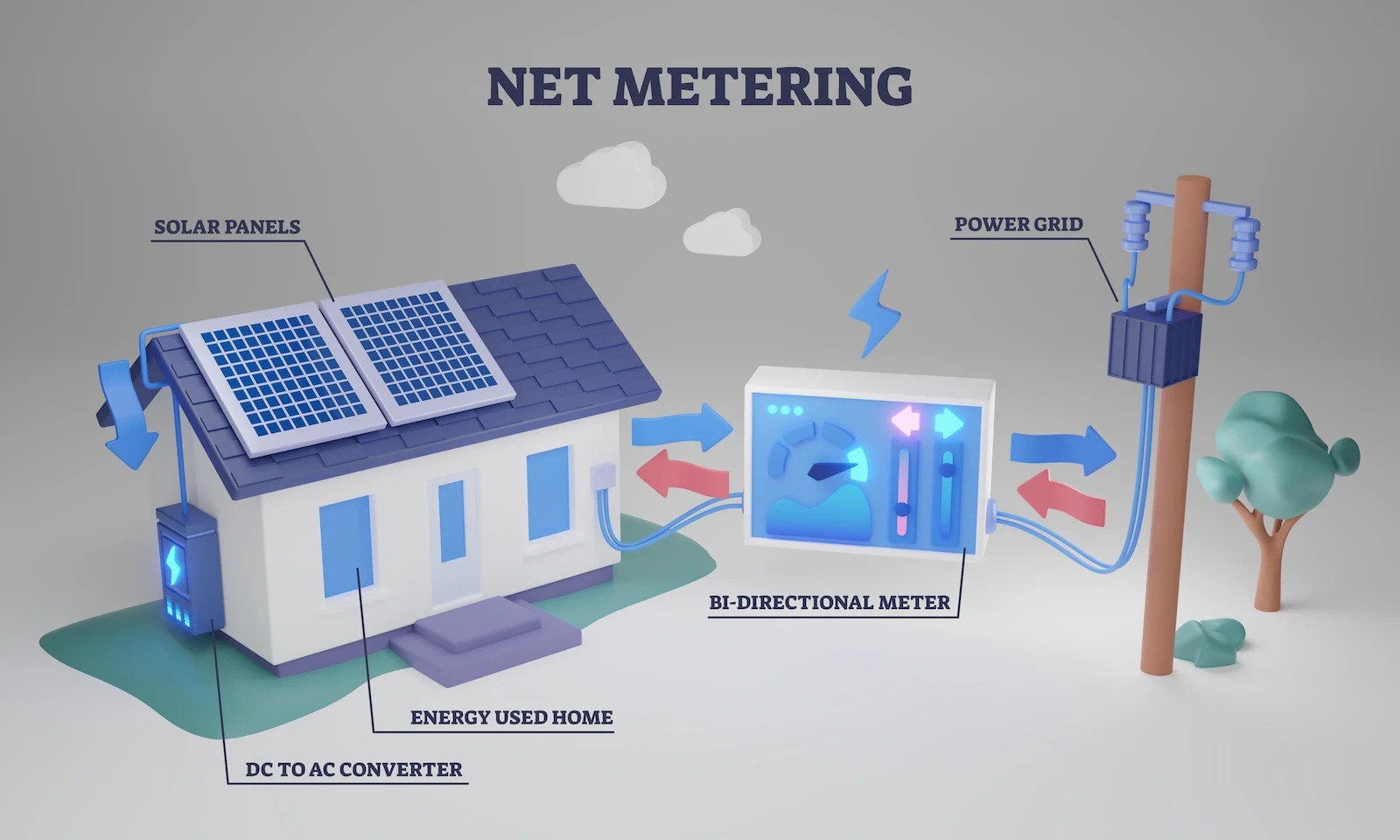
Net metering is a billing arrangement that allows solar panel owners to receive credit for excess electricity they generate and send back to the grid. When your solar system produces more power than your home needs (like during sunny summer days), that extra electricity flows back to the electric utility grid, essentially running your meter backward.
Here’s how it works:
- During daylight hours, your solar panels often generate more electricity than you’re using
- This excess power is exported to the grid, earning you energy credits
- At night or on cloudy days when your solar panel system isn’t producing enough, you draw electricity from the grid using those credits
- Your monthly bill reflects the “net” difference between what you’ve consumed and what you’ve contributed
Benefits of Net Metering:
- Lower electricity bills (sometimes eliminating them entirely)
- Financial return on your solar investment without needing battery storage
- Protection from future electric utility rate increases
- Reduced strain on the electrical grid during peak demand
- Smaller carbon footprint and greater energy independence
In short, net metering lets you use the power your solar panels generate—when you need it most—not just when the sun is shining. It’s a smart way to boost your energy savings, increase your return on investment, and take greater control over your home’s energy use.
How Net Metering Works in Oregon
Oregon has established robust net metering policies regulated by the Oregon Public Utility Commission. Under state law, all investor-owned utilities must offer net metering programs to their customers, according to the Oregon PUC’s administrative rules for net metering (Oregon Administrative Rules Chapter 860, Division 39).
Oregon’s approach is particularly favorable to solar owners because it offers a “one-to-one” credit system. This means for every kilowatt-hour (kWh) you export to the grid, you receive a credit for one kWh to use later—a full retail value credit, as confirmed by the Database of State Incentives for Renewables & Efficiency (DSIRE).
| Utility Company | Net Metering Policy | Credit Type | Annual Rollover? |
| Portland General Electric (PGE) | Full retail rate | kWh Credit | Yes |
| Pacific Power | Full retail rate | kWh Credit | Yes |
| Idaho Power | Full retail rate | kWh Credit | Yes |
| Consumer-owned utilities (COUs) | Varies by utility | Typically kWh Credit | Varies |
Most Oregon utilities use a monthly billing cycle where any excess generation is carried forward as a credit to the next month. At the end of the annual billing cycle (typically March 31st), any unused credits are granted to the electric utility’s low-income assistance programs rather than being paid out to the customer, according to Portland General Electric’s solar interconnection guidelines.
Eligibility for Net Metering in Oregon
To qualify for net metering, your solar system must meet certain criteria:
- System Types: Residential, commercial, agricultural, and public facilities can all participate
- System Size Limits:
- Residential: Up to 25 kW capacity
- Non-residential: Up to 2 MW capacity
- Technical Requirements:
- Must be grid-tied and include proper interconnection equipment
- Must meet all applicable safety and performance standards
- Must be installed by a licensed contractor
These requirements are outlined in Oregon Revised Statutes 757.300, as referenced by the Oregon Department of Energy.
The application process involves:
- Submitting an interconnection application to your electric cooperative or utility company
- Getting approval before installation
- Having your solar panel system inspected after installation
- Receiving permission to operate from your utility
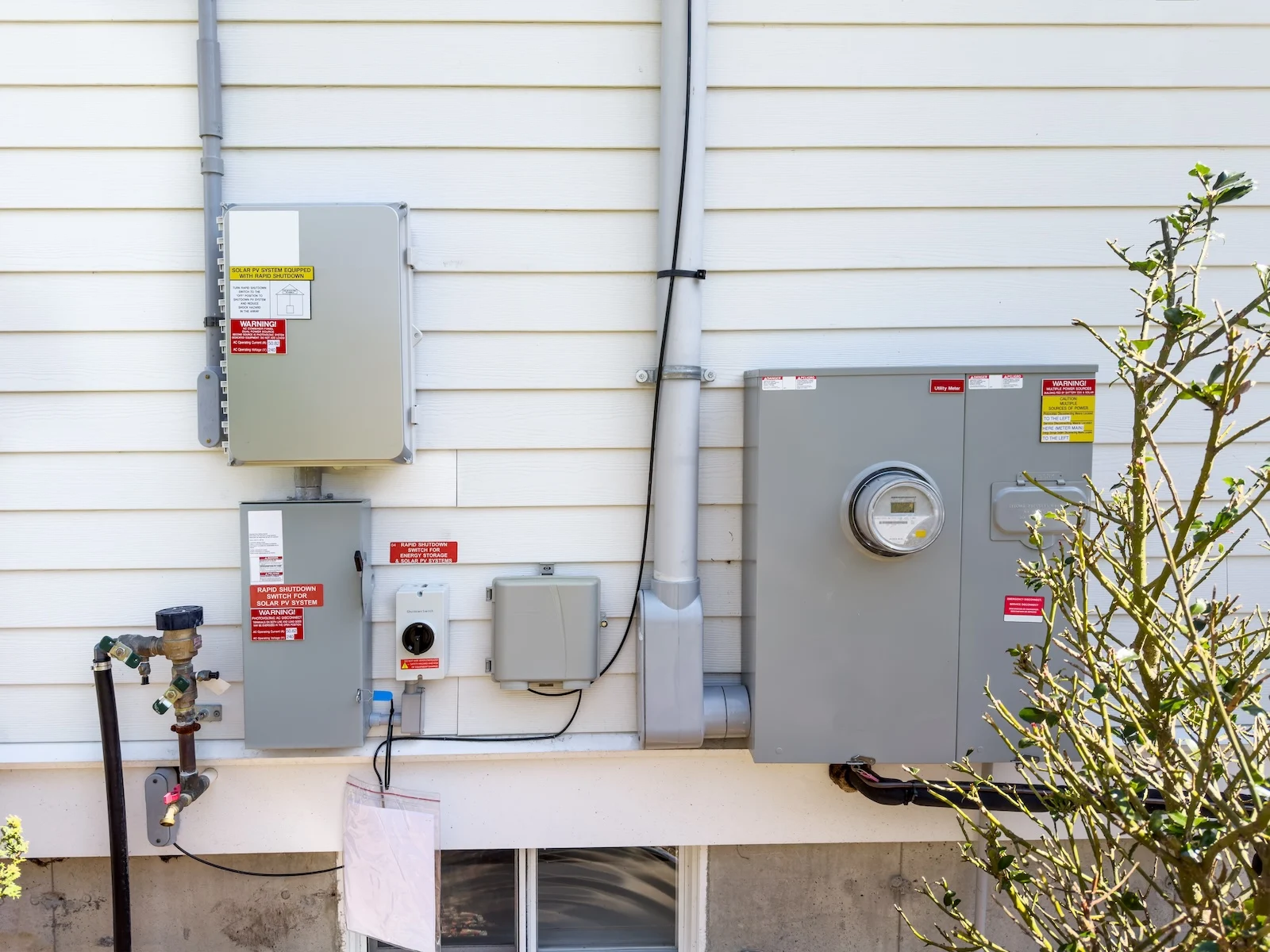
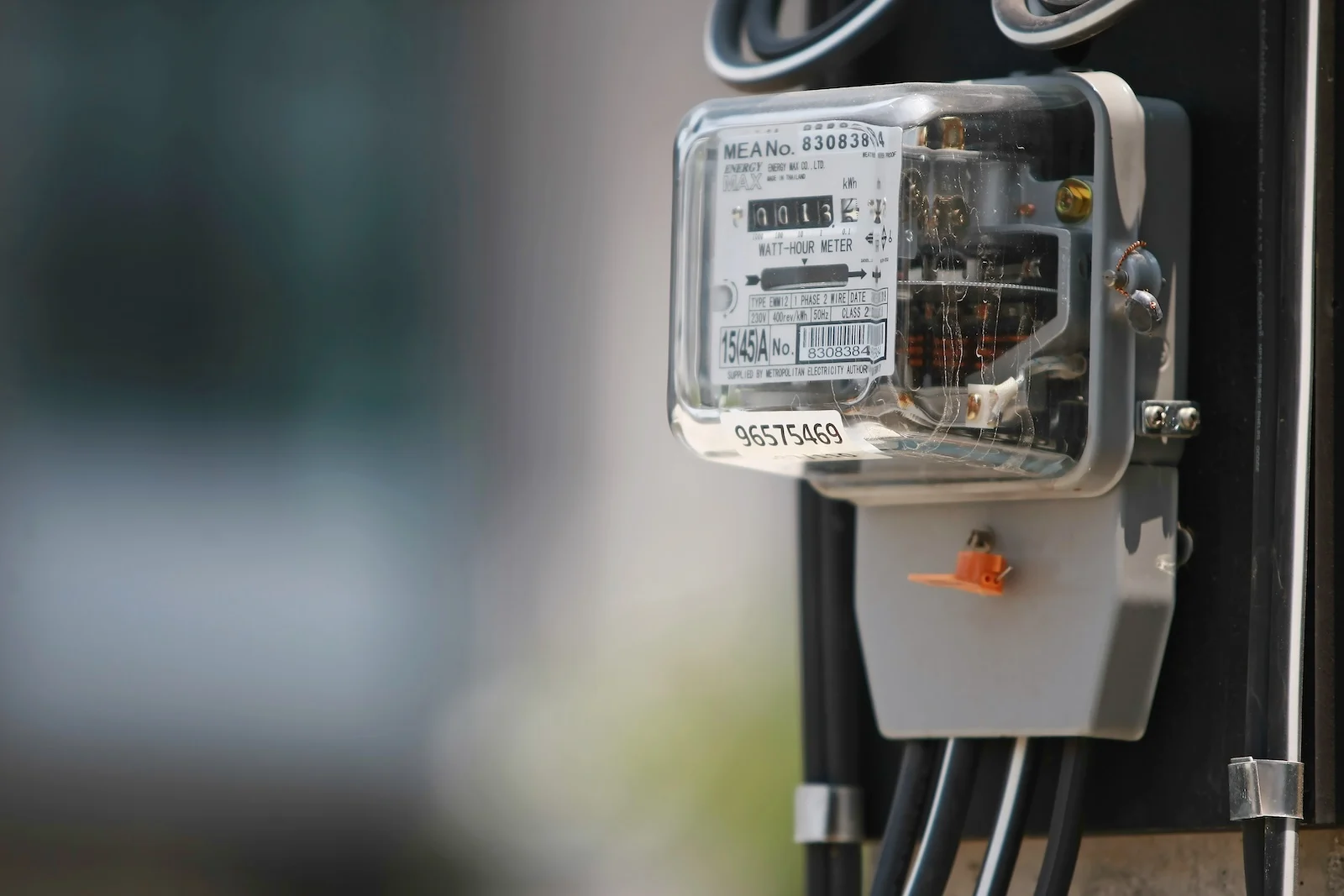
- Having a bi-directional meter installed (if not already present)
TIP: Before installing solar, check that your solar installer in Medford is licensed with the Oregon Construction Contractors Board and that all equipment is compliant with Oregon standards. Ask for references from previous Oregon installations.
How Net Metering Saves You Money With Clean Energy
Net metering significantly enhances the financial benefits of going solar in Oregon through several mechanisms:
1. Reduced Monthly Bills
The most immediate benefit is seeing your electricity bills drop. Many solar system owners find their bills reduced by 70-90%, with some achieving “net zero” status where they pay only basic connection fees, according to data from the Energy Trust of Oregon.
2. Seasonal Banking
Oregon’s climate means you’ll likely generate excess power during sunny summer months, building up credits you can use during darker winter months when your solar panel system produces less. This “banking” of credits helps balance your energy costs throughout the year.
3. Protection Against Rate Increases
As electricity rates continue to rise (Oregon has seen approximately 3-4% annual increases historically), your solar system’s value increases proportionally. Net metering essentially locks in your electricity rates for the 25+ year lifespan of your solar panel system.
A typical 6 kW residential solar system in Oregon might produce around 7,200 kWh annually, based on production estimates from the National Renewable Energy Laboratory (NREL). With average electricity rates around $0.13/kWh, that’s approximately $936 in annual savings—and potentially much more as rates rise over time.
Changes to Net Metering in 2026: What You Need to Know
Oregon’s net metering landscape has remained relatively stable compared to some other states, but important changes are on the horizon:
Current Policy Status: As of May 2025, Oregon continues to maintain its full retail net metering policies, but discussions are underway about potential modifications, according to the Solar Energy Industries Association’s (SEIA) Oregon policy page.
Transition to Time-of-Use Considerations: Several utilities are exploring time-of-use (TOU) rate structures, which would value electricity differently depending on when it’s produced or consumed. This could affect the economics of net metering, potentially reducing the value of midday solar production.
Capacity Limits: With solar adoption increasing, some utilities are approaching their mandated capacity limits. Once reached, this could trigger policy reviews, as noted in Pacific Power’s renewable energy integration documents.
**IMPORTANT**: While Oregon’s net metering policies remain favorable now, the national trend is toward reduced benefits for new solar customers.
Installing solar in 2026 could lock in current favorable rates before any potential changes are implemented.
Net Metering vs. Solar Battery Storage
Many Oregon homeowners wonder whether they should rely solely on net metering or invest in battery storage. Here’s how they compare:
| Feature | Net Metering Only | With Battery Storage |
| Bill Savings | High | High |
| Initial Cost | Lower | Higher (adds $10K-15K) |
| Backup Power | No | Yes |
| Grid Independence | Low | High |
| Blackout Protection | No | Yes |
| Time-of-Use Optimization | Limited | Excellent |
The decision ultimately depends on your priorities:
Choose net metering alone if:
- Maximizing ROI is your primary goal
- You rarely experience power outages
- You’re working with a limited budget
Add battery storage if:
- Greater energy independence is important to you
- You experience frequent power outages
- You want backup for essential solar panel systems
- Your electric utility has less favorable net metering terms or time-of-use rates
Many Oregon homeowners start with net metering only, then add batteries later as prices continue to fall and technology improves, a trend confirmed by Energy Trust of Oregon’s residential solar program data.
Is Net Metering Worth It?
For most homeowners, net metering makes solar an excellent investment:
Payback Period: With current incentives including net metering, the average payback period for a residential solar system in Oregon ranges from 7-10 years, depending on your location, energy usage, and utility, according to analysis from the Oregon Department of Energy.
Available Incentives:
- Federal solar tax credit (30% of solar panel system cost)
- Energy Trust of Oregon cash incentives (up to $1,200 for residential solar panel systems)
- Property tax exemption for the value added by solar
- Net metering credits
These incentives are confirmed by DSIRE’s comprehensive database of Oregon solar incentives.
Long-Term Savings: Over a 25-year period (the typical warranty period for solar panels), Oregon homeowners can expect to save between $15,000 and $40,000 on electricity costs, depending on system size and future electric utility rate increases, based on projections from the National Renewable Energy Laboratory.
Read More: Understanding Solar Equipment Warranties: How NOT To Void Them
These financial benefits, combined with environmental advantages, make solar with net metering a wise choice for many homeowners in 2026, particularly those planning to stay in their homes for at least 5-7 years.
Next Steps: How to Get Started with Solar
Ready to explore solar for your Oregon home? Here’s how to proceed:
Step 1: Assess Your Solar Potential
- Evaluate your roof’s orientation, shading, and available space
- Review your electricity usage history (12 months of municipal utility bills)
- Use online solar calculators to estimate potential savings
Step 2: Get Multiple Quotes
- Contact at least three licensed Oregon solar installers
- Compare equipment options, warranties, and pricing
- Check references and review portfolios of local installations
Step 3: Review Financing Options
- Cash purchase (highest ROI)
- Solar loans (many with $0 down)
- Leases or Power Purchase Agreements (less common in Oregon)
Learn more: How to Finance Solar Panels: 9 Ways to Get Solar Your Home
Step 4: Apply for Incentives
- Submit for the federal tax credit
- Apply for Energy Trust of Oregon incentives before installation
- Check for local or municipal utility-specific incentives
Step 5: Complete the Net Metering Application
- Your installer will typically handle the electric utility interconnection agreement
- Schedule required inspections
- Receive permission to operate from your municipal utility
These steps are recommended by the Energy Trust of Oregon’s solar installation guide.
The best time to go solar in Grants Pass is now. With current incentives, favorable net metering policies, and rising electricity rates, 2026 presents an excellent opportunity to maximize your solar investment.
Estimate your potential bill savings, payments, and energy usage with Summit Solar and Battery’s free solar calculator.
Sources:
- Oregon Public Utility Commission. (accessed Dec 14th, 2025). Home. Oregon.gov. https://www.oregon.gov/puc/pages/default.aspx
- Energy Trust of Oregon. (accessed Dec 14th, 2025). Solar. https://www.energytrust.org/solar
- Portland General Electric. (accessed Dec 14th, 2025). Install solar panels and generate power. https://portlandgeneral.com/energy-choices/generate-power/install-solar
- Pacific Power. (accessed Dec 14th, 2025). Customer generation. https://www.pacificpower.net/savings-energy-choices/customer-generation.html
- DSIRE. (accessed Dec 14th, 2025). Oregon: Incentives/policies for renewables & efficiency. Database of State Incentives for Renewables & Efficiency. https://www.dsireusa.org/
- Oregon Department of Energy. (accessed Dec 14th, 2025). Home. https://www.oregon.gov/energy/
- Solar Energy Industries Association. (accessed Dec 14th, 2025). Oregon solar. https://www.seia.org/state-solar-policy/oregon-solar
- National Renewable Energy Laboratory. (accessed Dec 14th, 2025). Home. https://www.nrel.gov/
This article was last updated Dec 14th, 2025 and reflects current Oregon net metering policies. As regulations can change, always consult with a licensed solar professional for the most up-to-date information.