Homeowners hear mixed messages: utilities say they support clean energy, yet rooftop projects often face delays, new fees, or shifting rules. The tension isn’t about whether solar is good—it’s about who owns the generation and who controls the flow of power and dollars. This article sticks to the facts, explains the incentives driving utility behavior, and focuses on what matters most for homeowners: lower bills, resilience, and long-term control.
TL;DR for Busy Homeowners
- Some utilities resist customer-owned solar because it dents sales, complicates cost recovery, and shifts control to your roof.
- Rooftop solar—especially paired with a battery—can lower bills, hedge against rate hikes, and keep essentials on during outages.
- In many places, the biggest headaches aren’t technical at all—they’re interconnection rules and fees that research shows are often overkill for modern inverter-based solar.1
Why Some Power Companies Push Back on Rooftop Solar
The Business-Model Friction
Traditional utilities earn regulated returns by investing in big assets and selling kilowatt-hours. When thousands of homeowners generate their own power, sales drop and fixed-cost recovery gets harder. That doesn’t make utilities “bad” per se—it just explains the incentive to slow or reshape distributed solar growth.
“Safety” Requirements That Get Expensive—Fast
Utilities often frame pushback in terms of safety and reliability—and those goals matter. The key question is whether certain add-on requirements meaningfully improve safety for modern, inverter-based solar or simply reflect yesterday’s grid assumptions. A common flashpoint is Direct Transfer Trip (DTT), a scheme some utilities require on many mid-sized projects (and, by extension, community and campus-scale systems). In plain English: utilities want to ensure local solar can’t keep a pocket of the grid “energized” during an outage (called unintentional islanding). Today’s inverters already detect outages and shut down automatically. DTT layers on a hard trip command—often sent over dedicated fiber from the substation—to force an instant shutdown.
That extra layer can be eye-wateringly expensive: substation relay gear often runs $300,000–$410,000 per project, and dedicated fiber can add $150,000–$250,000 per mile—costs big enough to derail otherwise viable systems. Crucially, research focused on inverter-based systems finds the chance of a persistent island is extremely low (on the order of once every 3,800–10,000 years per circuit), and lower-cost, equally safe alternatives exist. The takeaway: blanket, high-cost requirements like DTT don’t just stall schools and community projects—they set precedents that can spill into residential policy debates, lengthen timelines, and raise what homeowners ultimately pay.1
A Real-World Case: When New Rules Stalled Schools & Churches
In Virginia, Dominion Energy began requiring DTT-related upgrades—including dark-fiber runs—for many projects larger than 250 kW. Reported impacts were significant: dozens of projects were put on hold; fiber priced at $150,000–$250,000 per mile and relay panels (about $250,000 for projects over 250 kW) pushed costs up 20–40%; Fairfax County’s plan to solarize 100+ buildings—estimated to save $60 million over 25 years—slowed markedly; and one local installer said interconnection fees jumped from rare $20,000 worst-cases to “starting out at half a million and going up from there.”2
The regulatory back-and-forth is ongoing: developers have repeatedly petitioned Virginia’s State Corporation Commission to suspend the rules, citing multi-year delays and hundreds of thousands of dollars in added costs, while Dominion argues the measures are necessary for safety and reliability.3 Separately, Dominion has proposed new fuel and base rates for residential customers—a reminder that utility-driven costs move too—requesting base-rate increases of $8.51/month in 2026 and $2.00/month in 2027 for a typical customer (if approved).4
Why this matters to homeowners: when utilities adopt blanket, high-cost measures, community and commercial projects lose momentum—and the same thinking often spills into residential policy debates.
Oregon Homeowners: Own Your Power
Oregon homeowners—especially Pacific Power customers—can push back on rising rates and blanket rules by owning their power. A rooftop system with a right-sized battery helps you use more of what you generate, ride through wildfire-season outages, and bring long-term bill predictability.
With state incentives and the federal clean-energy credit available (that is, until the end of 2025), waiting often benefits the utility—not you.
How Certain Utility Requirements Can Inflate Costs
| Requirement | What it is | Typical adder (illustrative) | Why it matters |
| DTT (substation gear) | Controls to force PV to trip offline | $300k–$410k per project | Can make otherwise viable projects uneconomic |
| Dedicated fiber run | “Dark fiber” from site to substation | $150k–$250k per mile | Adds distance-based costs and delays |
| Resulting over-engineering | Blanket use even where risk is tiny | 20–40% total cost increases reported in VA cases | Fewer projects get built; communities lose savings |
Sources: IREC analysis; reporting on Virginia projects.
The Homeowner Upside Utilities Don’t Emphasize
Lower Bills, More Control
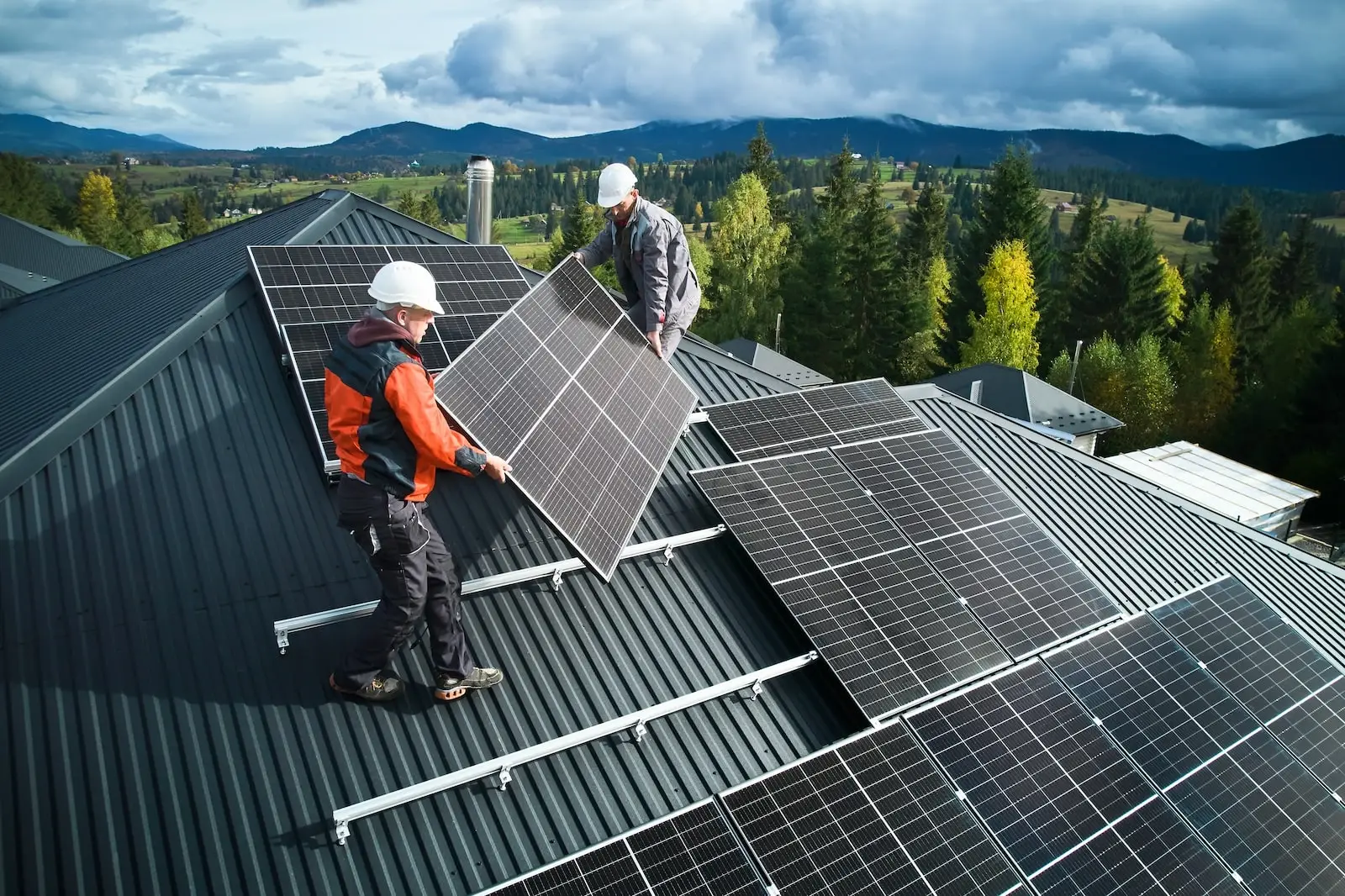
Rooftop solar panels directly cover a big chunk of your daytime use, trimming what you buy from the grid when rates are often lowest. Add a battery and you can shift that extra solar into expensive evening hours, squeezing more value from every kilowatt-hour you make. Even if export credits aren’t generous, self-consuming your own energy keeps the math in your favor. The result is simple: fewer surprises on your bill and more control over when you draw from the utility.
Hedge Against Energy Rate Hikes
Solar lets you “pre-buy” part of your electricity at today’s equipment cost, so a portion of your usage is effectively locked in. When utility prices rise—and they do—you’re less exposed because your home is generating. That stabilizes long-term expenses and helps planning. It’s a financial hedge you can live under.
Resilience During Outages With a Battery
In Medford, OR, solar panel array installation should be paired with a battery to give your home into its own mini backup system. During grid outages, a properly configured system can keep essentials on—fridge, lights, Wi-Fi, well pump, even medical devices—so disruptions feel smaller. Most grid-tied solar shuts off during an outage for safety, so the battery and an islanding-capable inverter are the key. Think of it as comfort, continuity, and a little peace of mind.
Attractive to Future Buyers
Lower operating costs make your home stand out to savvy buyers, and backup capability is an easy story to tell during showings. In regions with wildfire-related PSPS events or winter storms, resilience features are more than nice-to-haves. They’re differentiators. Solar plus storage signals a well-cared-for, future-ready property.
EV Synergy
If you drive electric—or plan to—solar is the perfect partner. EV charging at home with your own generation can be the cheapest “fuel” you’ll ever buy. A battery helps you time that charging for off-peak windows or your own stored solar. It’s clean, convenient, and keeps more of your energy dollars in your driveway.
How to Maximize Your Benefits in Southern Oregon
Start by right-sizing for self-consumption. Instead of chasing a paper “100% offset,” analyze your last 12 months of usage and design the system to cover your daytime loads and time-of-use peaks. If your budget allows, add a battery: even a modest unit can shift solar into the expensive evening hours and keep critical circuits—fridge, lights, Wi-Fi—running during outages.
Don’t overlook your main electrical panel; a panel or service upgrade may be the key to safe battery backup today and EV charging tomorrow. Choose equipment with strong warranties and workmanship—especially for inverters and batteries—and look for a production guarantee when available.
Finally, know your numbers by comparing cash, loan, and hybrid options side-by-side so you can see bill savings, payback, and lifetime costs clearly.
Learn more about maintenance services from Summit Solar and Battery that extend the life of your system as well.
Policy Levers to Watch—and How Summit Helps
Interconnection rules & timelines. We track your utility’s study queues, fees, and upgrade triggers, and—where the data supports it—push for lower-cost safety mitigations so your system isn’t over-engineered.1
Net metering vs. net billing. Even if export credits soften, we design for high self-use so savings stay resilient within Oregon’s common residential framework. (?25 kW systems typically cover almost all homes).
Fixed charges & TOU rates. We pair smart design with batteries to arbitrage high evening prices and, where applicable, reduce demand-related charges.
The Summit Solar & Battery Difference
We design for self-consumption first, layer in battery resilience, and navigate Oregon’s policies for you—so you keep more of your bill savings regardless of how your utility’s rules evolve.
If interconnection requirements look excessive, we’ll flag them, propose safer, lower-cost alternatives, and advocate on your behalf using the same evidence regulators consider. Look to Summit Solar and Battery
Citations:
- Gwen Brown. “New research shows that a costly utility practice is an unnecessary barrier to clean energy development.” Interstate Renewable Energy Council (IREC), Aug. 11, 2025. https://irecusa.org/blog/regulatory-engagement/new-research-shows-that-a-costly-utility-practice-is-an-unnecessary-barrier-to-clean-energy-development/
- Jim Morrison. “Va. went all in on solar. Then its powerful utility changed the rules.” The Washington Post, May 27, 2024. https://www.washingtonpost.com/dc-md-va/2024/05/27/solar-panels-dominion-energy/
- Charlie Paullin. “Solar developers take another swing at Dominion’s rules for mid-size projects.” Virginia Mercury, Sept. 5, 2024. https://virginiamercury.com/2024/09/05/solar-developers-take-another-swing-at-dominions-rules-for-mid-size-projects/
- Dominion Energy. “Dominion Energy Virginia proposes new rates to continue delivering reliable service and increasingly clean energy.” News release, Apr. 1, 2025. https://investors.dominionenergy.com/news/press-release-details/2025/Dominion-Energy-Virginia-proposes-new-rates-to-continue-delivering-reliable-service-and-increasingly-clean-energy/default.aspx