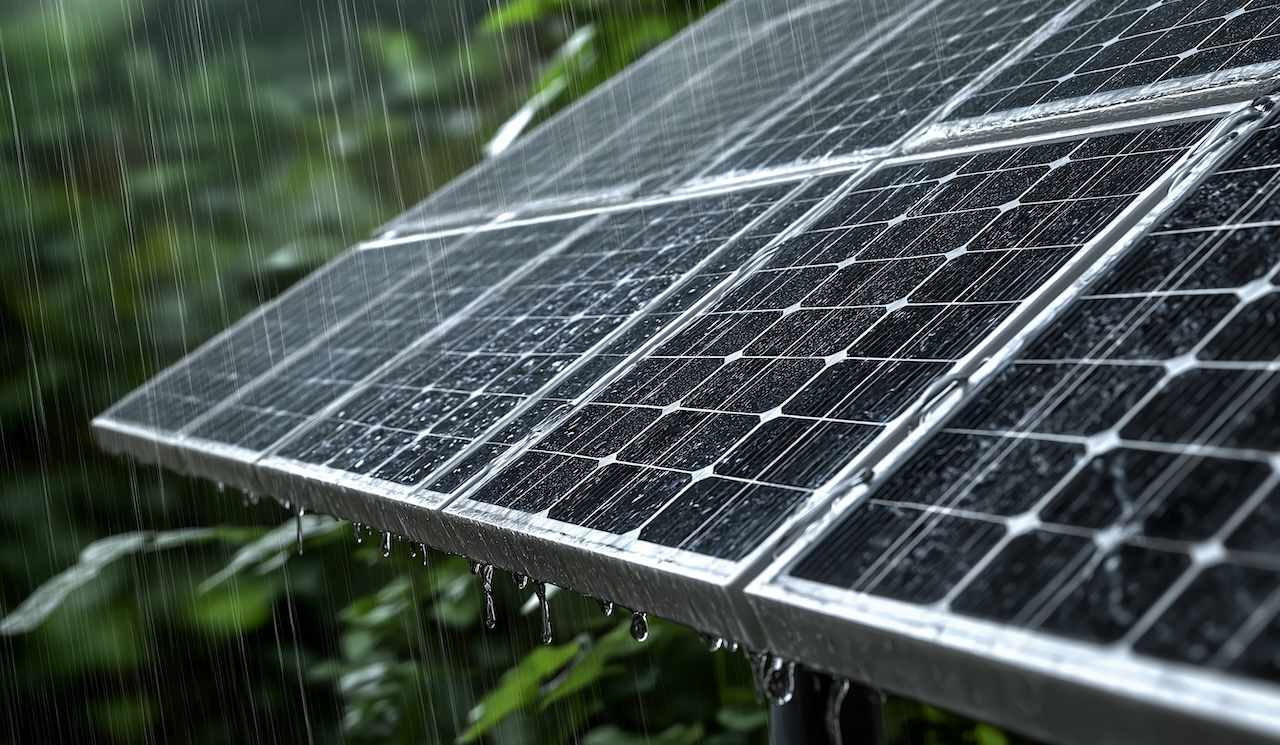
Oregon’s famously rainy climate in the Pacific Northwest presents unique challenges for solar power. Frequent clouds and moisture mean homeowners need solar panels that excel in low-light conditions and can withstand the elements. Fortunately, modern photovoltaic technology has advanced to ensure strong energy production even on overcast days.
This article highlights the best solar panel options for Oregon’s cloudy, wet weather – with high efficiency, all-weather durability, and strong warranties to deliver reliable performance year-round. We’ll keep recommendations concise and SEO-optimized, focusing on key specs and manufacturer data.
Choosing Solar Panels for Oregon’s Cloudy Climate
When selecting solar panels for a rainy, overcast region like Oregon, consider the following factors:
- High Efficiency & Output: With fewer sunny hours, choose panels with high conversion efficiency (20% or above) to maximize energy from limited sunlight. Higher wattage panels can generate more power during brief sun breaks.
- Low-Light Performance: Look for panels marketed with “excellent low-light” or “cloudy weather” performance. Technologies like PERC, heterojunction (HJT), or n-type cells often yield more power under diffuse light. Some panels are designed to maintain output from dawn to dusk on cloudy days.
- Durability & Weather Resistance: Oregon panels endure heavy rain, wind, and occasional snow. Quality panels have robust frames and high weather ratings (e.g. certified for 5,400 Pa snow load). Waterproofing (IP67 or better) protects against moisture. Tempered glass and durable seals prevent water intrusion or degradation from humidity.
- Trusted Warranty: In cloudy climates, long-term performance is key. Top manufacturers offer 25-year (or even 30-year) warranties guaranteeing minimal power loss. This ensures your investment will generate electricity for decades despite Oregon’s wet conditions.
- Local Support: Panels assembled in North America, or supported by local distributors, can be a plus, ensuring faster service or replacements if needed. U.S.-made panels also meet Buy American Act criteria for incentives.1
Below we profile seven leading solar panel options well-suited for Oregon’s rainy climate. Each combines high efficiency with proven performance under low-light, along with the durability to thrive in the Pacific Northwest.
Best Solar Panels for Cloudy Oregon Conditions
1. Qcells – High-Efficiency All-Weather Panels
Qcells (Hanwha Q CELLS) manufactures some of the most popular residential panels, known for high efficiency and “all-weather” performance.
The Qcells Q.PEAK DUO series, for example, offers module efficiencies around 20–21% and uses Q.ANTUM cell technology (monocrystalline PERC). These panels are engineered to deliver optimal yields in any weather, with excellent low-light and temperature behavior for steady output on cloudy or cool days.2
Qcells panels also carry an “Extreme Weather” rating – their aluminum alloy frames are certified to handle up to 5400 Pa snow loads and 4000 Pa wind loads, providing assurance against heavy rain, snow, and Pacific storm winds.2 Homeowners get a 25-year product warranty and 25-year linear performance guarantee on Qcells modules, reflecting long-term reliability.
2. Silfab – N-Type Panels Optimized for Cloudy Conditions
Canadian-American manufacturer Silfab Solar produces premium panels that excel in diffuse light.
Silfab’s latest N-type silicon series (e.g. Silfab Elite and NTC panels) is engineered for enhanced low-light performance. According to Silfab, their N-type cell technology shows better long-term performance in low-light conditions (cloudy days or early mornings/late afternoons) due to enhanced sensitivity to diffused light, ensuring continuous energy generation even when sunlight is limited.3
In other words, Silfab panels are tuned to squeeze more power from overcast skies. These high-efficiency modules (commonly 20–22% efficient) are also built for durability – 40mm thick anodized frames and rigorous testing – and come with up to 30-year performance warranties.3
3. Mission Solar – Durable American-Made Panels for Any Weather
Mission Solar Energy is a U.S. manufacturer based in Texas known for rugged, high-performance panels: a great fit for Oregon’s climate. Their monocrystalline PERC panels (around 19–21% efficiency) are engineered for maximum efficiency and durability in real-world conditions.4
The popular Mission Solar MSE series (390–420W) features a powerful 9-busbar cell design and thick tempered glass, delivering reliable energy production in a wide range of environments.4 Mission Solar tests to ensure modules withstand 5,400 Pa front loads and 3,600 Pa back loads, simulating heavy snow, wind, and debris resistance4. This strength is crucial for withstanding harsh winter storms and wind-driven rain. Mission Solar panels also carry a 25-year warranty and are certified to endure corrosion from humidity and salt mist.
4. SEG Solar – Next-Gen High-Efficiency Modules
SEG Solar is an emerging Tier-1 manufacturer headquartered in Houston, TX, now making waves with ultra-high-efficiency panels.
Their latest modules (such as the N-type TOPCon and HJT series) deliver cutting-edge performance – efficiencies exceeding 21–23%, with some large-format panels reaching up to 740W capacity.5 Importantly for Oregon, SEG’s technology is designed for strong output even in challenging conditions.
The company’s new Sierra N series, for instance, achieves a conversion efficiency of 23.8% and features an “ultra-low temperature coefficient” (around -0.24%/°C), which helps maintain efficiency on cool, cloudy days. SEG Solar reports that these advancements ensure stable performance and higher energy yields even under low-light conditions.5 In practice that means SEG panels will generate consistent power during Oregon’s overcast mornings and short winter days.
Additionally, SEG has earned industry trust through reliability testing. It has been recognized as a PVEL Top Performer multiple years for durability. With new U.S. manufacturing capacity and innovative cell tech, SEG Solar provides state-of-the-art panels that can make the most of Oregon’s diffuse sunlight while enduring its weather.
5. Solaria – Excellent Low-Light and Shade Performance
For homeowners concerned about cloudy weather and shading from trees or clouds, Solaria panels are an ideal solution.
Solaria’s PowerX series (400+W all-black panels) uses a unique shingled-cell design that not only looks sleek but also boosts performance in less-than-ideal conditions. These panels offer power from dawn to dusk thanks to excellent low-light performance.6 In Oregon’s overcast mornings or hazy evenings, Solaria panels continue producing energy efficiently
They also have good shade tolerance. Solaria strings its cells in parallel substrings, dramatically reducing shading losses and increasing yield when part of the panel is shaded.6 This is useful during patchy cloud cover or if tall fir trees cast intermittent shadows on the array. With around 20% module efficiency, Solaria panels produce more energy from the same roof area compared to conventional panels.
6. First Solar (Thin-Film) – Superior Performance in Diffuse Light
Most residential panels use crystalline silicon, but First Solar offers a different technology that can thrive in Oregon’s climate: cadmium telluride thin-film modules.
First Solar’s Series 6™ panels (commonly 420–460W) have slightly lower nominal efficiency (~18%), but they often generate more energy in real-world cloudy conditions than their ratings suggest.7 This is due to the inherent advantages of thin-film in diffuse light and humidity.
First Solar’s CdTe panels exhibit a superior spectral response in humid environments where atmospheric moisture alters the solar spectrum, according to the manufacturer.7 This means these panels are better at converting the portions of sunlight that filter through clouds and moist air. They also have a better partial shading response than conventional silicon modules,7 meaning they lose less power when part of the panel is shaded or under thick cloud.
These utility-grade modules are larger and typically used in commercial or ground-mount projects, but forward-thinking homeowners may integrate them for their stable output on gray days.
7. Anker SOLIX (Portable) – Weatherproof Backup Solar Solutions
In addition to rooftop panels, Oregon homeowners may consider portable or auxiliary solar panels for generating power during outages or for off-grid use.
Anker SOLIX provides weatherproof portable solar panels that are perfect for the region’s conditions. These compact panels (typically 100W, 200W, or 400W foldable modules) are built with an IP67-rated waterproof design and rugged construction. Anker specifically designs them to ensure optimal performance in even the harshest weather.8 This means you can leave an Anker SOLIX panel outside in the rain or snow without worry – ideal for charging a battery generator during Oregon’s winter storms. The panels are highly resistant to moisture and dust, and even claim to still generate electricity when wet.8
While portable panels won’t power a whole home, they serve mainly as a supplement for remote cabins, camping, and EV charging in a pinch.
See Also: Integrating Solar Energy with Smart Home Systems
Maintenance and Seasonal Cleaning Tips for Oregon Solar Panels
One appeal of solar is that it’s low-maintenance – and that holds true even in Oregon. Solar panels have no moving parts and generally require only periodic cleaning and inspection. But the Pacific Northwest’s rain, pollen, and autumn leaves do introduce a few maintenance considerations to keep your system running at peak efficiency:
Let Rain Do Most Of The Work
As mentioned, rain will wash off a lot of common dirt and dust. You’ll often find your panels look surprisingly clean even after weeks of rain. However, pollen is a different story. Oregon’s spring pollen (from pine, oak, grass, etc.) can form a sticky film on panels that rain alone doesn’t fully remove. Studies have shown up to ~10% energy loss due to pollen soiling if not cleaned, even with regular rainfall.9 The solution is to schedule a cleaning after the major pollen season (late spring/early summer). This could be a DIY rinse with a hose and soft brush, or a quick professional cleaning.
Annual (or Bi-Annual) Cleaning
In general, a once-yearly cleaning is a good practice in Oregon. Summit Solar and Battery recommends cleaning in mid-summer (after spring pollen and before late summer dust) or in early fall after the dry season. If your panels are easily accessible, you can safely clean them yourself on an overcast day using a garden hose, a telescoping pole with soft brush, and mild soapy water.
Do not use high-pressure spray or harsh chemicals.
Using a professional solar cleaning service typically runs $100–$250 for a home system. Cleaning overall can recoup that 5-10% performance loss from stubborn dirt/pollen, which over a year could equal hundreds of kilowatt-hours of generation paying for the hiring of a professional.
Watch for Moss and Debris
Given Oregon’s greenery, it’s common to get leaves, pine needles, or even moss on and around panels, especially if they’re near trees. In fall, clear off any accumulated leaves from the array (a leaf blower or soft broom works). Moss typically grows on roofs, not panel glass, but if you see green fuzz starting on the lower panel frames or roof under the array, have it cleaned. Moss can hold moisture against surfaces and degrade roofing. Ensuring panels get some sun on their surfaces (they heat up slightly which naturally deters moss on the glass) and keeping a bit of airflow under the panels will prevent most moss issues.
Seasonal Checks
It’s a good idea to inspect your system a couple of times a year. In spring, check for any dirt or residue after winter. Oregon rain can carry some soot (especially if you’re near wildfires or heavy traffic areas) that might leave a film. In autumn, inspect for debris and check that mounting hardware is still tight (extreme temperature swings can sometimes loosen bolts slightly, though rare). Most systems are maintenance-free, but a quick visual check ensures no surprises. Also monitor your energy production via your inverter app – if you see a significant drop not explained by weather, it could indicate dirty panels or a malfunction.
Snow Removal (Rarely Needed)
In Western Oregon’s lower elevations, snowfall is infrequent and usually melts quickly. If you do get a few inches of snow, you might be tempted to clear panels – generally it’s not necessary as the dark panels and any sun will warm them and shed snow. Rain handles most cleaning, and a quick annual scrub handles the rest – a far cry from the intensive maintenance some folks fear. By keeping your panels mostly clean, you ensure you’re squeezing every drop of energy out of those precious sunbreaks. Plus, regular cleaning and inspection help you catch any issues early.
Treat your solar array to a little TLC each year and it will reward you with decades of trouble-free, high-performance operation.

FAQs About Weather & Solar Panel Systems
Q: Will frequent rain keep my panels clean so I never have to?
Rain helps, but it’s not a perfect cleaner. It will wash off dust and some debris. However, Oregon’s notorious spring pollen can coat panels in a fine yellow film that rain doesn’t completely remove. Also, things like bird droppings or sap can stick around. So while you may not need to clean panels often, an annual cleaning is recommended to remove stubborn grime (especially after pollen season). Rain greatly reduces how often you need manual cleaning, but a quick scrub once a year ensures you’re not losing 5-10% output to residual dirt.
Q: Can hail or heavy wind damage my solar panels?
It’s highly unlikely. Quality solar panels are built to withstand hail and high winds. Panels are tested with 1-inch hail at ~50–70 mph and almost always come out unscathed. Real-world example: a hailstorm in Golden, CO with golf-ball hail damaged only 1 out of 3,168 panels.10 Oregon doesn’t often get hail that size. As for wind, panels are certified for winds around 140 mph or more, which is far above Oregon’s historical wind speeds, aside from maybe a severe gorge windstorm.
For peace of mind, check that your panels have at least the standard IEC hail rating and that your mounting hardware is rated for our seismic zone and wind speeds (any reputable installer will use products that are).\
Read More: Can Solar Panels Survive Oregon’s Wind, Snow & Hail?
Q: Will installing solar panels cause my roof to leak with all this rain?
Not if properly installed. This is a common concern in our wet climate, but professional installers prevent leaks by using flashed mounts and sealants at every roof penetration.
Essentially, the mounting brackets that bolt into your rafters are protected by metal flashing (almost like a shingle) that overlaps the hole and forces water to shed around it. With this technique, rain can’t infiltrate.
It’s critical to use experienced installers like Summit Solar and Battery who follow these best practices.
Q: Do I need special high-efficiency panels for low sunlight in Oregon?
Any solar panel will produce energy under cloud cover, it is just that premium ones squeeze out a bit more power when the sun is scarce. However, using high-efficiency, low-light-optimized panels can boost your energy harvest. Panels that are say 20% efficient vs. 17% efficient will generate more power on your limited roof space, especially in cloudy weather.
Technologies like monocrystalline PERC, N-type TOPCon, or heterojunction have slight advantages in low-light performance. For example, some panels advertise better output in diffused light or earlier/later in the day, which might give you a few extra kWh on cloudy days. So if budget allows, go for panels with higher efficiency and good low-light specs (many we listed, like Qcells, Silfab, Anker, etc.).
Rain or Shine – Summit Solar And Battery Powers Southern Oregon
Thinking of going solar in Oregon’s rainy climate? The evidence is clear: solar power is a reliable, smart, and increasingly essential choice for Oregon homeowners—even in cloudy weather. With local power utilities steadily raising their rates and showing no signs of slowing down, investing in solar isn’t just environmentally sound—it’s a financial safeguard.
Contact Summit Solar and Battery today and we can help you choose the right high-performance panels and deliver a weatherproof solar installation in Medford built for Oregon’s rainy seasons. With a rain-ready solar system, you can turn those drips into kilowatts, lock in your energy costs, and enjoy lower bills and a smaller carbon footprint for decades to come.
- U.S. Government Accountability Office. (2023). Electricity: Customers face increasing energy rates, and grid needs continue to evolve. https://www.gao.gov/products/105519
- Hanwha Qcells. (n.d.). Q.PEAK DUO BLK ML-G10+. https://us.qcells.com/q-peak-duo-blk-ml-g10/
- Silfab Solar. (n.d.). SIL-410 BG. https://silfabsolar.com/our-solar-panels/silfab-elite/sil-410-bg/
- Mission Solar Energy. (n.d.). MSE PERC 108HC. https://www.missionsolar.com/product/mse-perc-108hc/
- SEG Solar. (2025, Sept 15). SEG Solar announces launch of Sierra N series. https://www.segsolar.com/press/news/140.html
- Solaria. (n.d.). PowerXT panels. https://solaria.com/powerxt/
- First Solar. (n.d.). Series 7 TR1 datasheet. https://www.firstsolar.com/-/media/First-Solar/Technical-Documents/Series-7/Series-7-TR1-Datasheet.ashx
- Anker SOLIX. (n.d.). 200W portable solar panel. https://www.ankersolix.com/products/200w-portable-solar-panel
- Hicks, W. (2023, December 18). Rain not enough to wash pollen from solar panels, NREL research finds. National Renewable Energy Laboratory. https://www.nrel.gov/news/detail/program/2023/nrel-research-finds-rain-not-enough-to-wash-pollen-from-solar-panels
- Gay, C. (2017, May 15). Hail no! National lab’s solar panels survive severe storm. U.S. Department of Energy. https://www.energy.gov/eere/articles/hail-no-national-labs-solar-panels-survive-severe-storm