Your solar system has been reliably cutting electricity bills for months or years. But circumstances change—electric vehicles, work-from-home setups, heat pumps, growing families, or shifting utility rates can outpace your original capacity. The good news: expanding residential solar is usually feasible and can restore energy independence without starting from scratch. This guide covers when it makes sense to add additional solar panels, what determines feasibility, and how Summit Solar and Battery manages solar system upgrades from assessment through commissioning.
Quick FAQs About Expanding a Solar PV System
Here are direct answers to the most frequent questions about solar panel expansion.
Can you add more solar panels to your system?
Yes—most systems can be expanded. Feasibility depends on electrical compatibility, roof structure and space, permitting requirements, and utility rules. Microinverter systems with spare trunk capacity allow simple additions; string systems at maximum DC capacity may need inverter upgrades or second inverters. Summit evaluates all factors in a free assessment, clarifying whether you can add more solar panels to existing system infrastructure or what modifications are necessary.
How hard is it to add more solar panels?
Difficulty varies considerably. Microinverter systems with available trunk capacity allow straightforward additions. String inverters near capacity require larger inverters, second parallel units, or transitioning new arrays to microinverters. How easy is it to add more solar panels also depends on roof access, structural adequacy, and electrical panel capacity. Most residential expansions complete within a few site visits once permits clear.
Will permits and utility approval be required?
Almost always. Building and electrical permits are standard for solar expansion, ensuring code compliance and structural safety. You’ll also need updated interconnection paperwork with your utility to reflect the larger system capacity and confirm net metering or export credit arrangements remain valid. Summit handles this entire permitting process end-to-end, coordinating with local building departments and utility providers so you don’t navigate bureaucratic requirements alone.
Will adding panels affect my warranty or incentives?
Expanding your system with compatible equipment and professional installation helps protect existing warranties—DIY work can jeopardize coverage. Federal residential tax credits are no longer available for systems installed in 2026, but Oregon offers strong state and utility incentives that can still significantly reduce costs. Summit verifies warranty compatibility and researches all current Oregon incentives before you proceed, ensuring your solar panel expansion is structured for maximum available savings.

6 Reasons It Makes Sense to Add Additional Solar Panels
Specific triggers signal your original system no longer matches your energy profile. Recognizing these scenarios helps you act proactively rather than watching bills climb month after month.
1. You Bought an EV or Added High-Draw Loads
Electric vehicles add 3,000-6,000 kWh annually for typical commuting. Heat pumps, pools, electric ranges, and workshops similarly boost usage. If your system originally offset 95% but now covers only 60% after acquiring an EV, adding panels sized to the new load restores balance. Consider coordinating Level 2 EV charging with solar panels during midday production, or pair expansion with battery storage and TOU strategies to charge vehicles with stored solar during evening off-peak hours.
2. Your Utility Rates or TOU Windows Changed
Utilities frequently restructure rates. Peak pricing may shift into evening when solar produces nothing, shrinking savings. If your TOU rates solar strategy no longer aligns, adding west-facing modules captures late-afternoon sun during new peaks. Alternatively, pairing additional panels with batteries shifts midday generation into expensive evening periods.
3. Household Growth or Work-from-Home Increased Usage
More occupants mean more appliances, longer HVAC cycles, and higher baseline consumption. Remote work adds computers, monitors, lighting, and climate control during daytime. Medical equipment or home servers further elevate demand. Right-sizing an expansion to restore 100% annual offset ensures you maintain energy independence rather than becoming more grid-dependent.
4. System Was Intentionally Undersized at First
Some homeowners stage installations due to budget or uncertain future usage. If you deliberately installed smaller capacity with plans to expand, now may be the right time. Verify your inverter has adequate headroom—string inverters typically allow 120-135% DC-to-AC ratio, but exceeding this requires upgrades.
5. Roof Replacement or New Roof Section Opened Up Space
Reroofing, additions, or ADUs create fresh south- or west-facing space. If structural requirements for solar panels are met and the section offers unshaded exposure, integrating arrays becomes cost-effective—you’re already managing construction and permits.
6. You Want to Boost Resilience or Self-Consumption
Grid independence motivates many expansions. Adding panels with battery storage enables daytime battery charging and evening discharge, reducing utility reliance. This works well for frequent outages, whole-home backup, or maximizing self-consumption rather than exporting at unfavorable rates.
Pre-Check: Are You a Good Candidate to Expand?
Summit screens expansion projects quickly to avoid wasting time. Several technical and regulatory factors determine whether can i add more solar panels to my roof is practical or requires modifications.
Roof & Structural Readiness
Roof age, condition, available unshaded area, and rafter capacity all matter. Aging roofs nearing replacement shouldn’t receive new arrays—reroof first. Structural engineers may need to provide load letters, especially for tile roofs or older construction. Summit conducts thorough roof space for solar panels assessments during surveys.
Electrical & Inverter Capacity
Your inverter rating determines expansion headroom. String inverters at maximum DC input require solar inverter upgrade for expansion—either larger central units, second parallel inverters, or transitioning to microinverters. Microinverter systems need trunk line capacity. Main panel busbar ratings may require service upgrades. We evaluate DC-to-AC ratios, breaker configurations, and whether microinverters vs string inverter expansion makes more sense.
Compatibility & Availability of Matching Components
Identical modules aren’t required, but solar panel compatibility matters. Mixing panels with different voltage or current causes mismatch losses or clipping. Discontinued models may lack replacements, requiring careful solar production modeling. Summit designs around these constraints, selecting compatible equipment that maintains efficiency.
Code, Permitting, HOA, and Setback Rules
Building codes have evolved since your original installation. Current rapid shutdown requirements, conductor pathways, and fire setbacks may exceed older standards. HOA boards might impose restrictions. Solar permits for expansion must satisfy updated regulations. Summit navigates these proactively, ensuring compliance before submission.
Interconnection, Net Metering, and Tariff Impacts
Expanding triggers solar interconnection update requirements. Some jurisdictions grandfather existing net metering rates; others apply current structures to expansions. Net metering changes and expansion rules vary by utility and affect economics. We research your utility’s policies before finalizing designs.

Step-by-Step: How Summit Solar Expands a PV System
Our process delivers predictable results and keeps homeowners informed at every stage.
Step 1: Load & Bill Analysis
We collect twelve months of bills to establish baseline consumption and seasonal patterns. New loads—EVs, heat pumps, added occupants—are quantified to determine required capacity increase solar capacity targets, typically aiming for 95-110% annual offset.
Step 2: Site Survey & Structural/Electrical Assessment
Summit conducts comprehensive surveys including roof measurements, shade studies, attic and rafter inspections, and panelboard evaluations. We document existing inverter specs, conduit paths, and wire routing for add panels to existing solar arrays.
Step 3: System Design & Equipment Choices
We develop layouts showing module placement, optimized orientation and tilt, and inverter strategy—reusing existing capacity, adding second inverters, or deploying microinverters. Wire runs and solar monitoring integration ensure clean data and code compliance.
Step 4: Permitting, HOA, and Utility Interconnection
Summit prepares and submits all building permits, electrical permits, HOA applications, and utility interconnection agreements. We manage communications with inspectors and utility engineers—homeowners receive updates but don’t navigate bureaucracy themselves.
Step 5: Installation & Commissioning
Licensed installers mount panels, integrate electrical connections, upgrade equipment as designed, and complete wire management. Quality checks verify grounding, torque specs, and rapid shutdown. Inspections confirm code compliance. We provide as-built documentation for your records.
Step 6: Monitoring, Warranties, and Performance Check-Ins
Expanded systems integrate into monitoring platforms, displaying production from all arrays clearly. We conduct first-year performance reviews comparing actual generation against solar expansion cost estimates and projections. Warranties are registered, and we provide ongoing support.
Design Considerations That Make or Break an Expansion
Technical choices determine whether your expansion delivers expected results. Understanding these factors helps you make informed decisions.
Orientation & Array Placement
South-facing panels maximize annual kWh; west-facing modules capture late-afternoon sun, offsetting evening peaks under TOU rates. Choose based on your rate plan. Flat-rate billing favors south for maximum generation. Expensive evening peak charges favor west-facing expansion, improving payback for adding solar panels even if total kWh is slightly lower.
Shading, Module Mismatch, and MLPE
Partial shading from trees or chimneys argues for module-level power electronics—microinverters or optimizers. String expansions on shaded arrays suffer mismatch losses. MLPE allows each panel to operate independently, maximizing harvest. Mixing panel wattages within a string causes clipping; MLPE or separate strings mitigate this.
Inverter Strategy
If your string inverter has headroom—typically allowing DC arrays up to 135% of AC rating—new panels connect directly. Inverters at capacity require upgrades: larger central units, second parallel inverters, or microinverters on new arrays. Each has cost and performance tradeoffs. Summit evaluates options against your budget and requirements.
Battery Pairing (Now or Later)
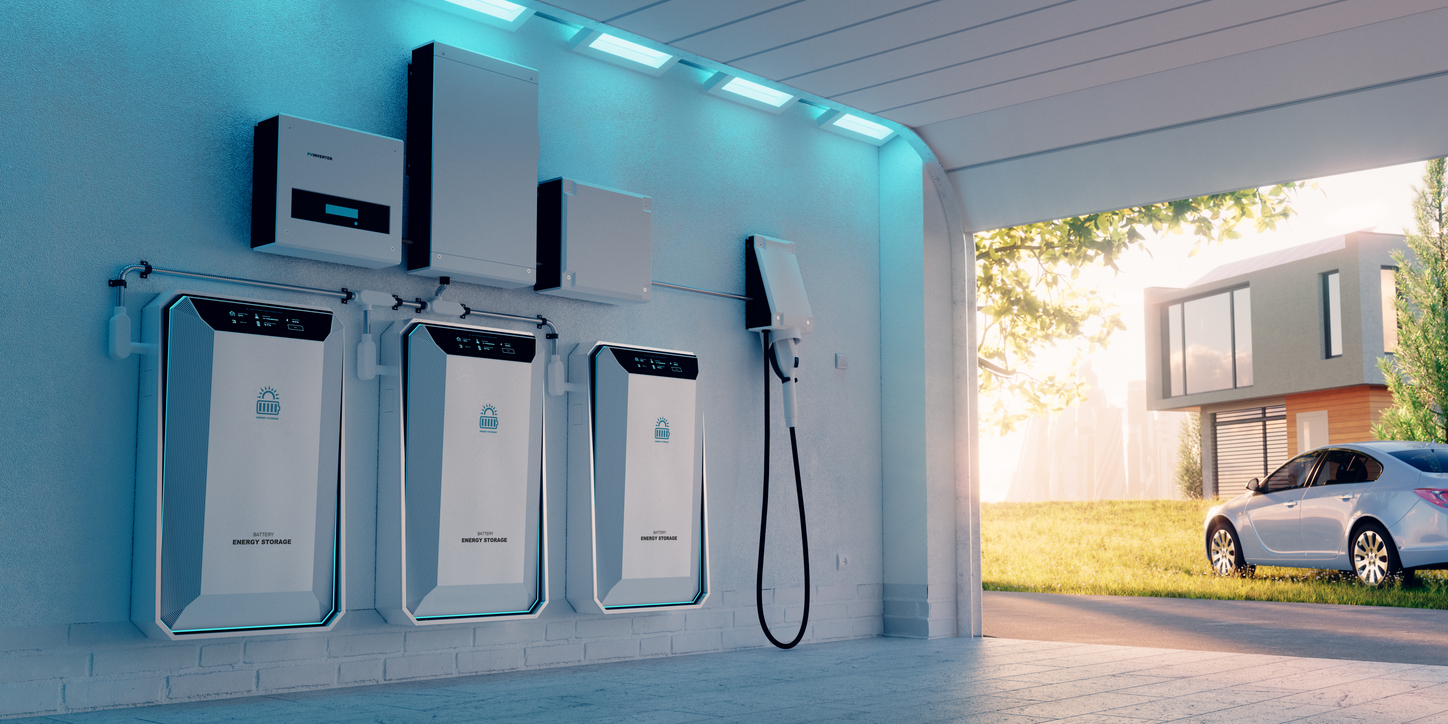
Many expansions include battery storage. Battery sizing interacts with added PV—larger arrays provide more surplus to charge batteries. Decide whether you’re prioritizing backup power or TOU bill savings. You can expand solar now and add batteries later as needs evolve.
Monitoring & Data Integrity
Ensure new arrays report production cleanly. Poorly integrated expansions create ghost gaps or inaccurate reporting. Summit configures monitoring to display total output, individual arrays, and battery state-of-charge in unified dashboards for easy performance verification.
Cost, Savings, and Payback Basics
Understanding expansion economics sets realistic expectations. Professional installation protects long-term value.
Typical Cost Drivers
Module count is primary, but roof complexity, inverter upgrades, long wire runs, panel upgrades, and permitting fees all contribute. Simple microinverter expansions cost less per watt than projects requiring second inverters or service panel work. Accurate solar expansion cost estimates require site-specific evaluation.
Incentives & Tax Credits
The federal residential Investment Tax Credit expired at the end of 2025 and no longer applies to homeowner-owned systems installed in 2026. However, Oregon state and utility programs now provide the primary financial incentives, including upfront rebates through Energy Trust of Oregon, battery storage incentives, net energy metering benefits, and a property tax exemption on added system value.
Payback Considerations
Higher utility rates and substantial new loads like EV charging accelerate ROI. Shading or structural work extends payback. TOU alignment matters: west-facing panels offsetting expensive peaks deliver faster payback than south-facing arrays exporting at low midday rates. Realistic payback for adding solar panels typically ranges 5-12 years.
Why Professional Installation Protects Value
Code compliance, warranty protection, insurance acceptance, and resale confidence require permitted professional installation. DIY expansions risk voided warranties, claim denials, code violations, and safety hazards. Licensed contractors provide liability coverage and documentation protecting your investment long-term.
How to Decide: A Simple Checklist
Use this framework to determine whether can you add more solar panels to your system makes sense:
- Your usage increased 10-20% or more due to EVs, heat pumps, additional occupants, or work-from-home arrangements.
- You’re no longer meeting your solar offset or bill reduction goals. You electricity costs may be climbing despite having panels.
- You have viable roof space or alternative mounting options with adequate sun exposure and structural capacity.
- Your inverter and electrical panel can support expansion directly, or you’re willing to upgrade these components.
- Current incentives and rate structures still make the economics work. An expansion can deliver acceptable payback based on your utility costs.
If you answer yes to most, proceed to professional assessment. If no, consider alternatives: efficiency upgrades, battery storage, or switching rate plans.
Why Summit Solar & Battery
- We design around your unique load profile, rate structure, and equipment constraints rather than cookie-cutter solutions.
- We handle all paperwork, inspections, and interconnection updates so you don’t navigate bureaucracy alone.
- Post-installation verification, ongoing performance tracking, and responsive service ensure your expanded system delivers projected results.
- From critical-loads backup to Time-of-Use optimization, we integrate storage solutions that complement your expanded solar capacity.
Ready to explore expanding your solar panel system? Get a free expansion assessment—upload your latest utility bill and we’ll analyze your consumption, current capacity, and expansion opportunities. Contact Summit Solar & Battery today to restore energy independence and maximize your solar investment.