Investing in solar energy for your home is a smart long-term move — not only for the environment but for your wallet. Understanding how to install solar panels and selecting the right payment or financing method is crucial to maximize your investment and potential savings over time.
But before reaping the rewards of lower utility bills and energy independence, most homeowners have a similar question:
“How does solar financing actually work and how long does the process take?”
At Summit Solar and Battery, we help customers across Southern Oregon turn their clean energy goals into reality, and a big part of that involves helping them understand their options.
Whether you want to pay upfront or explore creative financing solutions, this guide breaks down how homeowners actually fund their solar panel systems — with pros, cons, and what to expect from each approach.
Solar installation comes with various financial incentives and options available for homeowners. Installing solar panels involves several considerations, including local rebates, financing options, and potential savings over time.
Introduction to Solar Energy
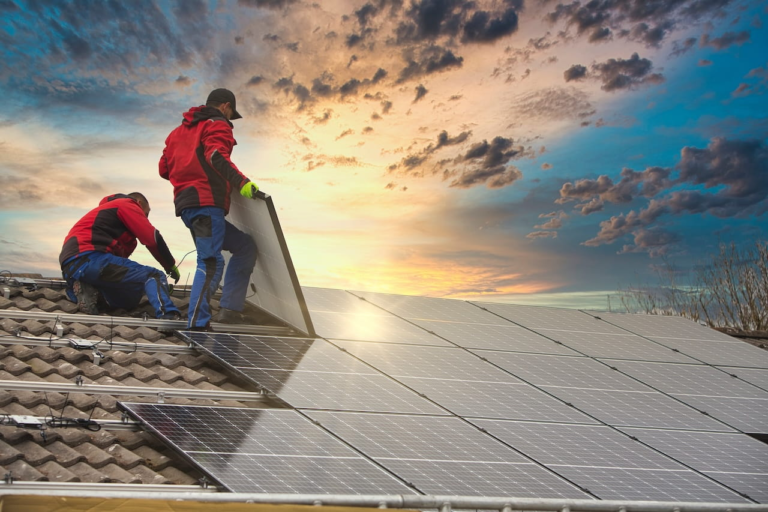
Solar energy is rapidly becoming one of the most popular ways for homeowners to power their homes sustainably and affordably. By installing a solar panel system, you can harness the sun’s energy to generate electricity, reducing your dependence on traditional utility companies and fossil fuels.
This clean energy solution not only helps lower your electricity bills but also provides significant financial benefits through various tax incentives, including the federal solar tax credit. As energy costs continue to rise, switching to solar energy allows you to take control of your utility bills and enjoy long-term savings.
Benefits of Solar Panels
Choosing solar panels for your home comes with a host of advantages. First and foremost, solar panels help you cut down on energy costs by generating your own renewable energy, leading to lower utility bills and reduced electricity bills month after month. This move toward energy independence means you’re less affected by fluctuating utility rates and can enjoy immediate savings. Solar panels also contribute to a smaller carbon footprint, supporting a cleaner environment for your community.
On top of these environmental benefits, solar panels can increase your home’s value and make it more attractive to future buyers. With access to tax credits and other incentives, the financial benefits of solar are both immediate and long-lasting, while the panels themselves require minimal maintenance and can reliably produce energy for decades.
Plus, a solar panel system can increase your property’s value, making it a smart investment for both your wallet and the environment.
What Are Ways to Pay for Solar Power for My Home Affordably?
Below, we outline 9 common ways homeowners cover the cost of a solar PV system, along with a quick comparison chart to help you decide what works best.
1. Paying in Cash (Out-of-Pocket)
If you can afford the upfront cost, according to EnergySage, the average cost of an 11 kW solar panel installation in the U.S. is $29,360 before federal tax credits and $20,552 after applying the 30% federal tax credit.1
Paying in cash provides the best return on investment. Choosing to pay cash upfront means you gain immediate ownership of your solar system, benefit from higher long-term returns, and avoid interest payments. You’ll own the system outright, skip interest payments, and qualify for all rebates and tax credits.
- Best for: Homeowners with savings looking for long-term ROI
- Not ideal if: You need to preserve cash flow
2. Solar Loans
A solar loan lets you spread payments over 5–20 years with fixed monthly payments. Many solar installers in Medford, like Summit Solar, work with lenders that specialize in solar-specific loans — often with low interest and no upfront payments.
Solar panel financing typically involves regular loan payments, which can be structured to offer lower monthly payments compared to other financing options. Credit unions are a popular source for specialized solar loans, often providing favorable terms, low fees, and knowledgeable staff to guide you through the process.
Personal loans are another option for solar panel financing; these are usually unsecured, have shorter repayment periods, and offer quick funding, though they may come with higher interest rates.
Secured loans require collateral, such as your home or the solar system itself, and generally offer lower interest rates, while unsecured solar loans do not require collateral but may have higher rates.
When considering any loan, be sure to understand the loan proceeds—the net funds you receive after deducting origination fees or other charges.
- Best for: Homeowners who want ownership without paying upfront
- Note: You still qualify for tax credits and incentives
3. Home Equity Loans or HELOCs
If you’ve built up equity in your home, you may be able to borrow against it to fund your solar project. These loans typically have lower interest rates than personal loans and may be tax-deductible. Home equity loans are a type of secured loan, which means your home is used as collateral for the loan.
- Best for: Homeowners with significant home equity and stable income
- Watch out for: Closing costs and putting your home at risk if you default

4. Mortgage Refinance or Energy Efficient Mortgage (EEM)
Some homeowners choose to refinance their mortgage and roll the cost of the solar system into the new loan. Others use special energy-efficient mortgage programs that let you borrow extra for renewable energy upgrades.
- Best for: Homeowners refinancing anyway or qualifying for an EEM
- Not ideal if: Current mortgage terms are already favorable
5. Solar Leases
With a lease, you don’t own the system. Instead, you pay a monthly fee to rent solar panels. The solar company installs, owns, and maintains them, you just enjoy the energy savings. Leases and power purchase agreements are alternative ways to finance solar energy installations without owning the panels outright.
- Best for: Homeowners with poor credit or no interest in ownership
- Drawbacks: You don’t receive tax incentives or boost home equity
6. Power Purchase Agreements (PPAs)
Similar to a lease, a PPA means you don’t own the solar energy system — but instead of a fixed lease fee, you pay a per-kWh rate for the electricity it produces (usually lower than your utility rate). Many PPAs include annual rate escalators, which cause the per-kWh payments to increase gradually over time, though these increases are often lower than typical utility rate hikes.
- Best for: Homeowners ineligible for ownership or incentives
- Note: PPA rates may increase over time, and ownership benefits are lost
7. Credit Cards
While not common for the full cost, some homeowners use credit cards for down payments or smaller solar + battery projects. Look for 0% APR intro offers, but be cautious of high interest rates.
- Best for: Short-term bridge financing or supplemental coverage
- Not ideal for: Large system costs or if you can’t pay off quickly
8. Local Incentive or Utility Financing Programs
In some cities and counties, utility companies or local governments offer solar loans, rebates, or Property Assessed Clean Energy (PACE) financing, which lets you repay solar costs via property taxes.
These programs can help homeowners reduce their utility costs by making solar adoption more affordable, and local credit unions may also offer specialized solar loans with favorable terms.
- Best for: Those in areas with strong local solar support
- Tip: Check with a certified installer like Summit Solar and Battery or Energy.gov
9. Grants and Solar Incentive Stacking
Homeowners not eligible for the Federal Solar Investment Tax Credit (ITC), as of December 31st, 2025 may still qualify for other tax incentives, such as state, local, or utility-based credits, which can further reduce the total cost of solar panel installation. These may include:2:
- State-level rebates
- Utility cash-back programs
- Income-based grants
- Battery storage incentives
Combining incentives can reduce your cost by 30–50% or more.
- Best for: Homeowners willing to apply and stack incentives
- Note: Some incentives only apply to system owners (not leases or PPAs)
Comparing Solar Financing Options
| Option | Ownership | Upfront Cost | Monthly Payments | Qualifies for Tax Credit? | Key Consideration |
| Cash Purchase | Yes | High | No | Yes | Best ROI, no interest |
| Solar Loan | Yes | Low–Medium | Yes | Yes | Low interest, ownership with payments |
| Home Equity Loan / HELOC | Yes | Low–Medium | Yes | Yes | Tied to your home |
| Mortgage Refinance / EEM | Yes | Varies | Yes | Yes | Good during a planned refinance |
| Lease | No | None | Yes | No | Lower barrier, but no ownership benefits |
| Power Purchase Agreement (PPA) | No | None | Yes | No | Pay for energy only, not the system |
| Credit Card | Yes/No | Varies | Yes | Possibly | High interest risk |
| Local Financing Programs | Yes/No | Varies | Yes | Varies | Regional availability varies |
| Incentive Stacking | Yes | Reduces Cost | N/A | Yes | Must qualify and apply |
Final Thoughts: Which Option Is Right for You?
Ultimately, how you fund your solar project depends on your credit score, cash flow, home equity, and long-term goals. At Summit Solar and Battery, we walk every customer through their options — whether you’re ready to pay in cash, explore financing, or see if local incentives apply.
Want help figuring out your best path to solar?
Contact Summit Solar and Battery today to schedule a free consultation to help you go solar in Grants Pass.
- EnergySage. (n.d.). Solar panel cost in the U.S. Retrieved April 23, 2025, from https://www.energysage.com/local-data/solar-panel-cost/
- Solar Energy Industries Association. (n.d.). Solar investment tax credit (ITC). Retrieved April 23, 2025, from https://seia.org/solar-investment-tax-credit/
The information provided in this blog is for general educational purposes only and does not constitute professional financial, tax, or legal advice. Incentives, rebates, and tax credits vary by location and are subject to change. Always consult a licensed tax advisor or financial professional to determine your individual eligibility. Additionally, total solar PV system infrastructure, and any required electrical upgrades must be evaluated during an onsite estimate by a licensed technician to determine feasibility and final cost.